
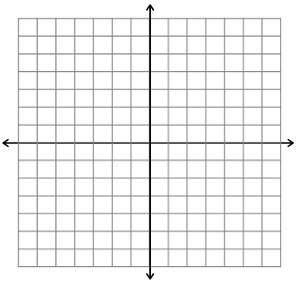
A Graph Paper With Axis is a ready-to-use plotting sheet that includes pre-drawn horizontal (x-axis) and vertical (y-axis) lines intersecting at the origin. This type of graph paper helps students, teachers, engineers, scientists, and professionals create accurate charts, plot coordinates, draw functions, and analyze data without manually drawing axes.
Whether you’re solving algebra problems, graphing equations, conducting scientific experiments, or creating statistical charts, graph paper with axes provides a structured layout that saves time and improves accuracy.
What Is Graph Paper With Axis?
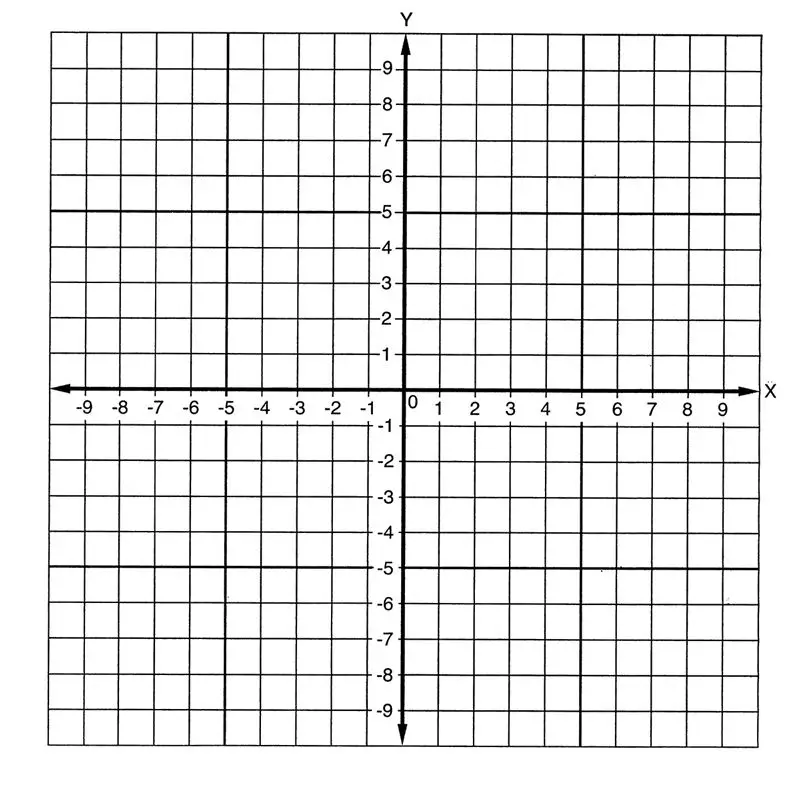
Graph Paper With Axis is a coordinate grid that includes:
- X-axis (horizontal line)
- Y-axis (vertical line)
- Origin point (0,0)
- Evenly spaced grid squares
- Positive and negative coordinate areas
The built-in axes make it easier to visualize relationships between values and accurately plot points on a graph.
Why Use Graph Paper With Axis?
Unlike blank graph paper, graph paper with pre-labeled axes allows users to begin plotting immediately.
Key Advantages:
- Eliminates the need to draw axes manually
- Improves plotting accuracy
- Saves classroom and exam time
- Helps students understand coordinate systems
- Ideal for mathematical and scientific applications
Uses of Graph Paper With Axis
Plotting Mathematical Functions
Students often use graph paper with axes to graph:
- Linear equations
- Quadratic functions
- Polynomial equations
- Exponential curves
- Trigonometric functions
The coordinate grid helps visualize how equations behave across different values.
Coordinate Geometry
Graph paper is widely used for:
- Plotting coordinates
- Finding slopes
- Measuring distances
- Identifying intercepts
- Graphing geometric shapes
It simplifies complex geometry concepts and calculations.
Science Experiments
Scientists and students can use graph paper to:
- Plot experimental results
- Compare variables
- Analyze trends
- Create lab charts
- Present research findings
Graphs make scientific data easier to interpret and communicate.
Statistics and Data Analysis
Graph paper with axes is useful for creating:
- Scatter plots
- Bar graphs
- Line charts
- Frequency graphs
- Trend analysis diagrams
These visual tools help identify patterns in datasets.
Business and Finance
Professionals may use coordinate graph paper for:
- Sales tracking
- Revenue forecasting
- Budget analysis
- Performance reports
- Business presentations
Types of Graph Paper With Axis
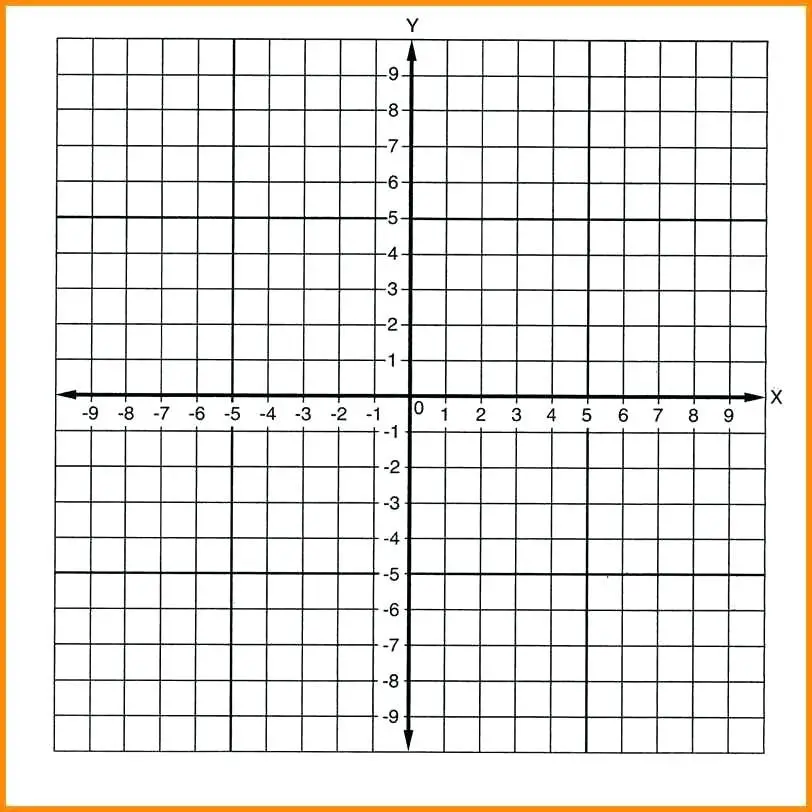
Standard Coordinate Graph Paper
The most common format featuring evenly spaced squares and centered axes.
Best For:
- Algebra
- Geometry
- General graphing
Single Quadrant Graph Paper
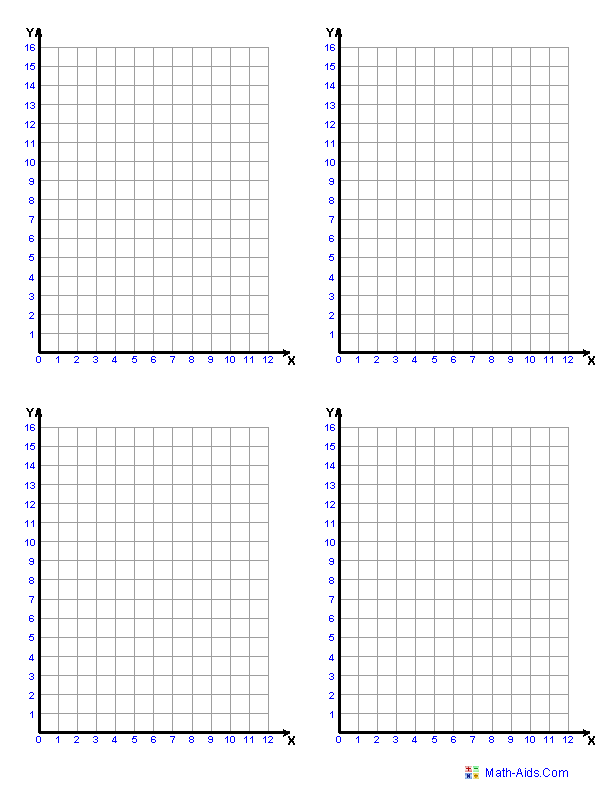
Displays only positive x and y values.
Best For:
- Elementary math
- Basic plotting exercises
- Business charts
Four Quadrant Graph Paper
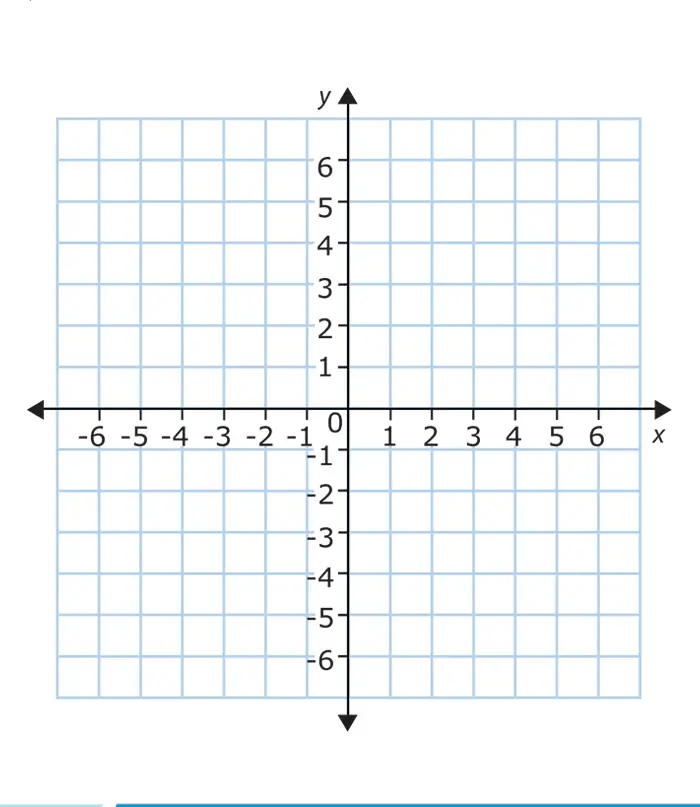
Includes positive and negative coordinate sections.
Best For:
- Advanced mathematics
- Coordinate geometry
- Trigonometry
Numbered Graph Paper With Axis
Features pre-labeled values along the axes.
Benefits:
- Faster plotting
- Reduced calculation errors
- Easier classroom use
Related Post –
- Staples Graph Paper
- Beading Graph Paper
- Brick Stitch Graph Paper
- Circular Graph Paper
- Coordinate Graph Paper
- Interactive Graph Paper
Who Uses Graph Paper With Axis?
- Students – For math homework, projects, and exams.
- Teachers – For classroom instruction and worksheets.
- Engineers – For technical calculations and design layouts.
- Researchers – For data visualization and analysis.
- Business Professionals – For reporting and performance tracking.
How to Use Graph Paper With Axis
Step 1: Identify the Axes
Locate:
- Horizontal x-axis
- Vertical y-axis
- Origin point
Understanding the coordinate system is the first step.
Step 2: Choose a Scale
Assign values to the grid.
Example:
- 1 square = 1 unit
- One square = 5 units
- 1 square = 10 units
Choose a scale appropriate for your data.
Step 3: Plot Points
Mark coordinates using the format:
(x, y)Example:
(3, 5)
(-2, 4)
(0, -3)
Step 4: Connect Points if Necessary
For line graphs or functions, connect plotted points carefully.
Step 5: Label the Graph
Include:
- Title
- Axis labels
- Units of measurement
- Legends if required
Benefits for Students
Using graph paper with axis helps students:
- Learn coordinate systems faster
- Improve graphing accuracy
- Understand mathematical relationships
- Develop analytical skills
- Complete assignments more efficiently
It is especially useful in middle school, high school, and college-level mathematics.
Printable Graph Paper With Axis Formats
Popular printable sizes include:
| Paper Size | Dimensions |
|---|---|
| Letter | 8.5″ × 11″ |
| Legal | 8.5″ × 14″ |
| A4 | 210 × 297 mm |
| A3 | 297 × 420 mm |
These formats can be printed at home, school, or the office.
Digital Uses of Graph Paper With Axis
Modern users often utilize graph paper templates on:
- Tablets
- Laptops
- Interactive whiteboards
- Digital note-taking apps
- Online classrooms
Digital graph paper reduces printing costs and improves accessibility.
Tips for Accurate Graphing
- Use a Consistent Scale – Changing scales can distort results and make graphs difficult to interpret.
- Label Clearly – Always identify axes and units of measurement.
- Plot Carefully – Double-check coordinates before connecting points.
- Use a Ruler – Straight lines improve readability and presentation.
- Review Your Work – Verify that plotted values match your calculations.
FAQs
Q: What is Graph Paper With Axis?
A: It is graph paper that includes pre-drawn x and y axes, making it easier to plot coordinates and create graphs.
Q: What subjects use graph paper with axes?
A: Mathematics, science, engineering, statistics, economics, and business studies commonly use this type of graph paper.
Q: What is the difference between graph paper and graph paper with axis?
A: Standard graph paper contains only grid lines, while graph paper with axis includes coordinate axes and an origin point.
Q: Can graph paper with axis be printed?
A: Yes. Printable templates are available in multiple paper sizes, including Letter and A4 formats.
Q: Is graph paper with axis suitable for beginners?
A: Yes. It helps students learn graphing concepts without needing to draw coordinate systems manually.
Conclusion
A Graph Paper With Axis template is an essential tool for anyone working with coordinates, equations, charts, or data visualization. By providing a ready-made coordinate system, it simplifies graphing tasks, improves accuracy, and supports learning across mathematics, science, engineering, and business applications.
Whether you’re plotting algebraic functions, analyzing scientific data, creating statistical charts, or teaching coordinate geometry, graph paper with axes offers a convenient and professional solution for accurate graphing and visual representation.